
Musky hard baits are the lures that turn follows into fish, from wide-wobbling crankbaits to slow-rolling glide baits and surface-blowing topwaters. Some days muskies want a fast, erratic reaction strike, other days a slow and deliberate presentation is what finally triggers the eat. The key is carrying the right styles and knowing when, where, and how to throw each one.
Skip to product grid
-

 Vendor:Livingston Lures
Livingston Lures Rachel 192 Crankbait
Regular price $40.99 CADRegular price -

 Vendor:Livingston Lures
Livingston Lures Squeaky Pete 233
Regular price $40.99 CADRegular price -

 Vendor:Rapala
Rapala Super Shadow Rap
Regular price From $25.99 CADRegular price -

 Vendor:Rapala
Rapala X-Rap Otus 25
Regular price $31.99 CADRegular price -

 Vendor:Rapala
Rapala X-Rap Peto 20
Regular price $31.99 CADRegular price -
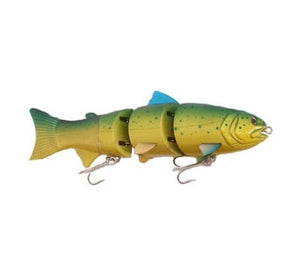
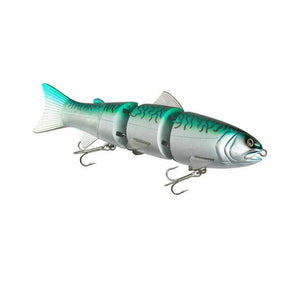 Vendor:SPRO
Spro Swimbait 80 Fast Sink
Regular price $59.99 CADRegular price -
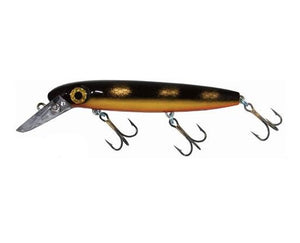
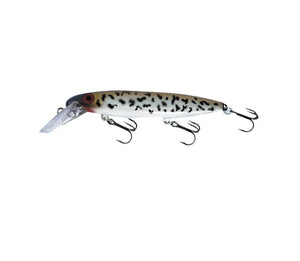 Vendor:Joe Bucher Outdoors
Joe Bucher 6" Depth Raider
Regular price $34.99 CADRegular price -

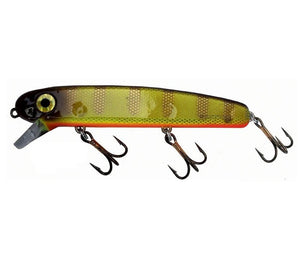
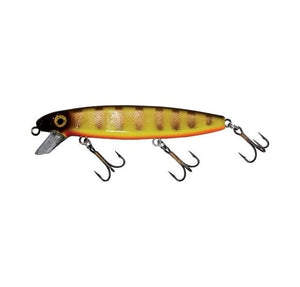 Vendor:Joe Bucher Outdoors
Joe Bucher 7" Shallow Raider
Regular price $36.99 CADRegular price -

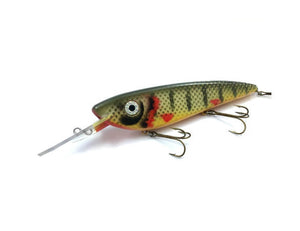
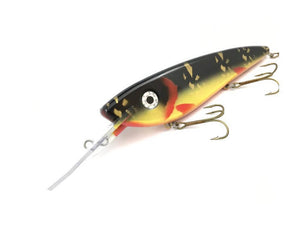
 Vendor:Joe Bucher Outdoors
Joe Bucher 5" Shallow Raider
Regular price $32.99 CADRegular price -
 Vendor:Musky Train
Musky Train 8" Tuff Shad
Regular price $38.99 CADRegular price -
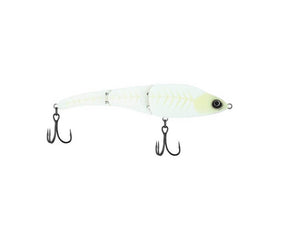
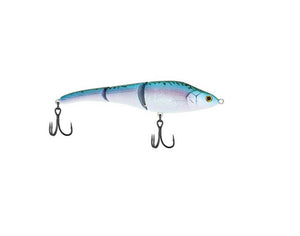 Vendor:Berkley
Berkley Sebile Magic Swimmer 228 Slow Sinking
Regular price $34.99 CADRegular price -
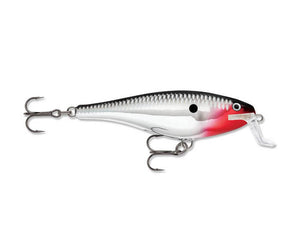
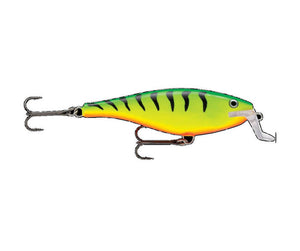 Vendor:Rapala
Rapala SSR14 Super Shad Rap 5-1/2"
Regular price $27.49 CADRegular price





Choosing the Right Musky Hard Bait
A musky hard bait has one job: trigger a strike from one of freshwater's most stubborn predators. The best ones combine realistic action, the right profile for the conditions, and construction tough enough to survive thousands of casts and a mouthful of teeth.
We chase muskies across Ontario and the Great Lakes ourselves, and the same lesson comes up every season: no single bait does everything. A complete box covers different running depths, profiles, and actions so you can adjust to water clarity, temperature, and the mood of the fish. Here's how the main types break down, and when, where, and how to fish each.
Musky Crankbaits
Crankbaits are the workhorses of musky fishing. The diving lip creates a wide, searching wobble that throws off vibration and flash, which makes them excellent at covering water and drawing reaction strikes from active fish. Throw them along weed edges, rock, breaklines, and open-water structure, and lean on them when fish are aggressive or you're trying to locate them quickly. Fish them on a steady retrieve, burning or slow-rolling depending on mood, and rip them free when they tick the weeds to trigger a following musky into committing.
Musky Glide Baits
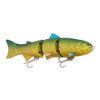
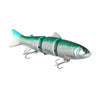
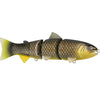
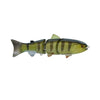
When muskies are following but won't commit, a glide bait often closes the deal. The slow, side-to-side S-action looks lifelike and gives a hesitant fish more time to track the bait and eat, which is why gliders shine on pressured water and clearer lakes. Work them over and around the structure where fish are following, using steady rod-tip twitches with a little slack to make the bait dart from side to side, then pause between sweeps to tempt a watching fish. They're also deadly worked into the figure-eight at boat-side. Chaos Tackle is one of the brands we carry for anglers who want big-profile gliders.
Musky Jerkbaits and Twitch Baits
Dive-and-rise and twitch-style baits put the action in your hands. Sharp downward rod pulls drive the bait down and to the side, and the pause lets it rise or hang, creating an erratic, wounded-baitfish look that's hard for a curious musky to ignore. They excel in shallow to mid-depth water over weed flats, pockets, and shallow structure, and they're a strong call on cold fronts and neutral fish that want a slower, more vulnerable target. Control your running depth with the cadence and length of each pull. Suick is a classic name in this category for anglers who want controlled, dependable action.
Musky Topwater and Wake Baits
Few things in fishing beat a topwater musky strike. Surface baits create commotion through a churning prop, a walk-the-dog wobble, or a steady wake, pulling fish up for explosive, visual blow-ups. They're at their best in low light and warm water, so think early mornings, evenings, overcast days, and through the night, especially from summer through fall. Fish them over weed beds, shallow flats, and calm bays where the surface disturbance stands out. Keep your rod tip low, work a consistent cadence, and resist setting the hook until you feel the weight of the fish.
Musky Trolling Baits
When you need to cover serious water or contact suspended fish, trolling baits earn their keep. Deep-diving crankbaits and minnow-style plugs let you target precise depths along breaklines, weed edges, and open-water baitfish, which makes them especially effective on big lakes and Great Lakes systems. Run them behind the boat at varied speeds to dial in the bite, and look for durable construction, strong hooks, and a consistent running depth that holds up over long hours on the troll.
Matching Colour and Size to Conditions
Water clarity and light drive a lot of musky decisions. In clear water, natural patterns like perch, sucker, walleye, and cisco tend to get more attention. In stained water or low light, high-contrast colours like firetiger, chartreuse, orange, and black help fish find the bait. For size, most musky hard baits run from 6 to 13 inches, though smaller minnow baits down to 4 inches shine when muskies are keyed on small forage like perch or crappie. Downsize and slow down during cold fronts and tough bites, then size up through late summer and fall when muskies feed hard ahead of winter.
Complete Your Musky Setup
A hard bait is only as good as the gear behind it. Pair yours with a heavy-power musky rod, a strong musky reel, heavy braid, and a quality musky leader to handle big baits and powerful fish. For more options, browse our musky bucktails and spinnerbaits and musky soft baits.