
Want bait that moves big fish? Musky soft plastics, also called rubber baits, are a proven choice for anglers chasing trophy muskies. From giant rubber baits and swimbaits to tubes and curly tails, these lures create natural action and oversized profiles that consistently trigger strikes, and they let you control the presentation in a way hard baits can't.
Skip to product grid
-

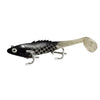
 Vendor:Savage Gear
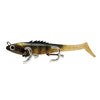
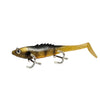
Savage Gear 3D Whitefish RTF
Regular price From $42.99 CADRegular price -
Sold out

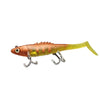
 Vendor:Rover Baits
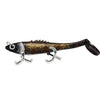
Rover Baits Cisco Shad
Regular price From $44.99 CADRegular price -
Sold out
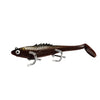
 Vendor:Livingston Lures
Livingston Lures Critter
Regular price $37.99 CADRegular price -

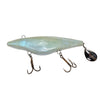
 Vendor:Livingston Lures
Livingston Lures Menace
Regular price $39.99 CADRegular price -

 Vendor:Chaos Tackle
Chaos Tackle 8" Posseidon Custom Colors
Regular price $44.99 CADRegular price -

 Vendor:Angling Sports
Chaos Tackle 10" Posseidon Custom Colors
Regular price $46.99 CADRegular price -

 Vendor:Chaos Tackle
Chaos Tackle Regular Medussa Custom Colors
Regular price $54.99 CADRegular price -

 Vendor:Chaos Tackle
Chaos Tackle Husky Medussa Custom Colors
Regular price $64.99 CADRegular price -
Sold out
 Vendor:Chaos Tackle
Chaos Tackle Monster Medussa Custom Colors
Regular price $69.99 CADRegular price -
Sold out

 Vendor:Bondy Bait Company Inc.
Bondy Wobbler
Regular price $33.99 CADRegular price -
Sold out
 Vendor:Waterwolf Lures
Waterwolf 9" Gator Tube Jig RIg 2 oz
Regular price $15.00 CADRegular price -
Sold out
 Vendor:Waterwolf Lures
Waterwolf 9" Gator Tube Casting Rig 1 oz
Regular price $14.00 CADRegular price -
Sold out
 Vendor:Waterwolf Lures
Waterwolf 11" Gator Rig 1.25 oz Casting Rig
Regular price $14.00 CADRegular price -
Sold out

 Vendor:Waterwolf Lures
Waterwolf 11" Gator Rig Jig Rig
Regular price $16.00 CADRegular price -

 Vendor:Waterwolf Lures
Waterwolf Gator Tube 9" 2 pk
Regular price $16.00 CADRegular price -

 Vendor:Waterwolf Lures
Waterwolf Magnum Gator Tubes 11" Unrigged 2 pk
Regular price $32.00 CADRegular price -

 Vendor:Musky Innovations
Musky Innovations Magnum Quad Dawg
Regular price $54.99 CADRegular price -

 Vendor:Livingston Lures
Livingston Magnus 10”
Regular price $54.99 CADRegular price -
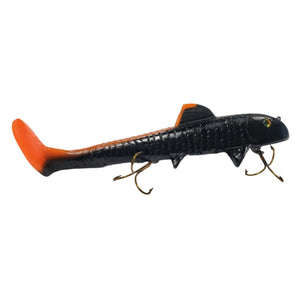
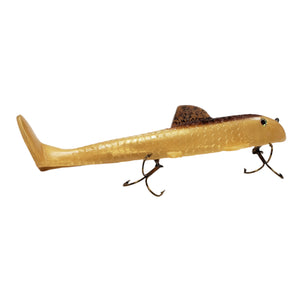 Vendor:Suick
Suick Suzy Sucker 13"
Regular price $44.99 CADRegular price -
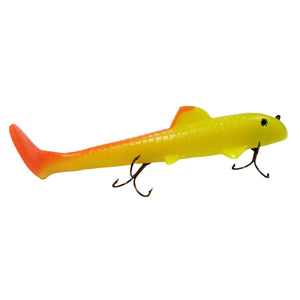 Vendor:Suick
Suick Suzy Sucker 11"
Regular price $39.99 CADRegular price -

 Vendor:Suick
Suick Curly Sue 11"
Regular price $37.99 CADRegular price -
Sold out
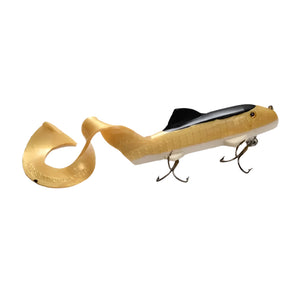
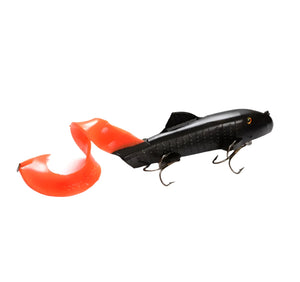 Vendor:Suick
Suick Curl Sue Mammoth
Regular price $29.99 CADRegular price$49.99 CAD-40% Sale price $29.99 CADStarting with a long curly tail that gives off HUGE amounts of vibration, this lure will catch the attention of even the finickiest of fish. Our own custom... -
Sold out

 Vendor:Toddy Tickle Baits
Toddy Tickle Baits 11" Warhammer *New Colours*
Regular price $54.99 CADRegular price -

 Vendor:Waterwolf Lures
Shadzilla SB (Solid Body) 9.5"
Regular price $40.00 CADRegular price -

 Vendor:Tactical Fishing Gear
Tactical Fishing Gear Combat Swimmer 9" - Slow Sink
Regular price $34.99 CADRegular price -
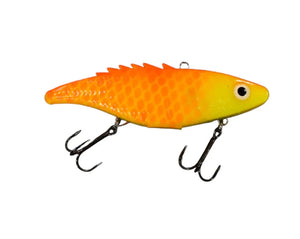
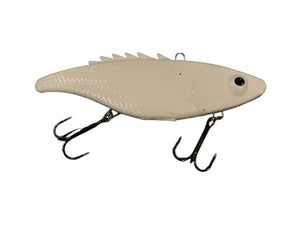 Vendor:Chaos Tackle
Chaos Tackle Pegassus - 6.75"
Regular price $31.99 CADRegular price -
Sold out

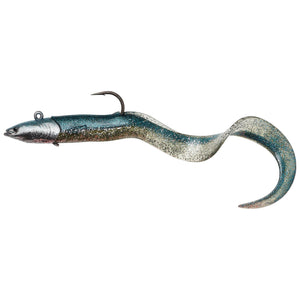 Vendor:Savage Gear
Savage Gear Real Eel Jig - 12" | 5-1/3oz
Regular price $19.49 CADRegular price -

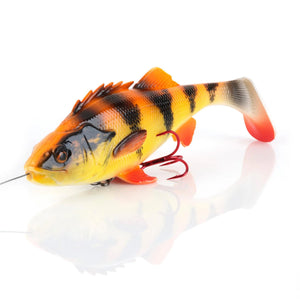 Vendor:Savage Gear
Savage Gear 4D Line Thru Perch Shad- Slow Sink
Regular price $32.99 CADRegular price -
Sold out
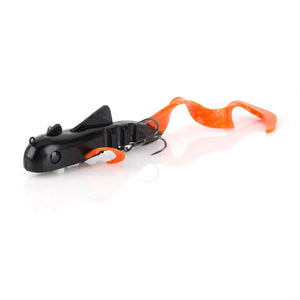
 Vendor:Savage Gear
Savage Gear Alien Eel V2 - 12"
Regular price $21.99 CADRegular price -
Sold out
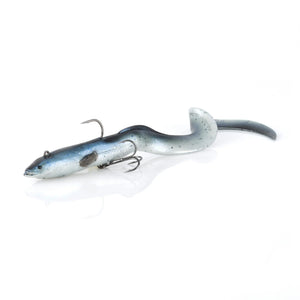
 Vendor:Savage Gear
Savage Gear 3D Real Eel - 12"
Regular price $18.99 CADRegular price -

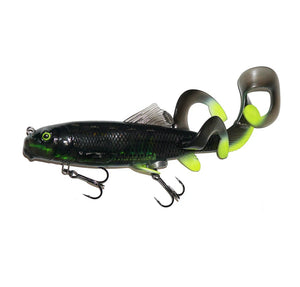 Vendor:Savage Gear
Savage Gear 3D Sucker X-Tail Variable Sink 9"
Regular price $39.99 CADRegular price -

 Vendor:Savage Gear
Savage Gear 3D Sucker X-Tail Variable Sink 11"
Regular price $44.99 CADRegular price -

 Vendor:Savage Gear
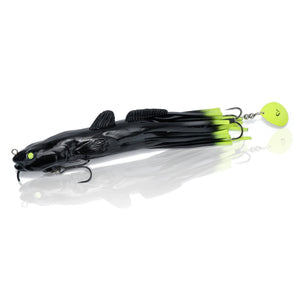
Savage Gear 3D Burbot Tube 10"
Regular price $39.99 CADRegular price -
Sold out

 Vendor:Red October
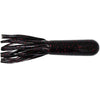
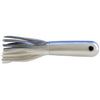
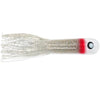
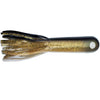
Red October Vibe Tube
Regular price $29.99 CADRegular price -

 Vendor:Red October
Red October 10" Monster Tube (Rigged) - 2pk
Regular price $40.99 CADRegular price -
Sold out

 Vendor:Red October
Red October Boo Tube - 11"
Regular price $46.99 CADRegular price -
Sold out

 Vendor:Waterwolf Lures
Waterwolf Lures Ratzilla Regular - 9oz
Regular price $42.99 CADRegular price -
 Vendor:Musky Innovations
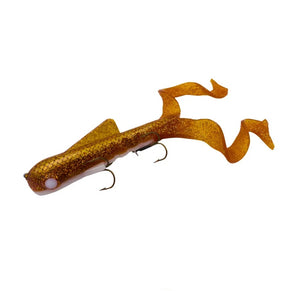
Musky Innovations MAG Under Dawg
Regular price $39.99 CADRegular price -

 Vendor:Musky Innovations
Musky Innovations Magnum Double Dawg
Regular price $39.99 CADRegular price -
 Vendor:Musky Innovations
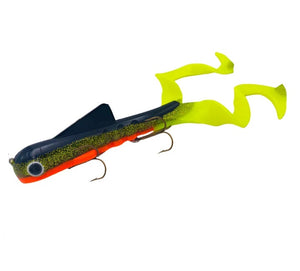
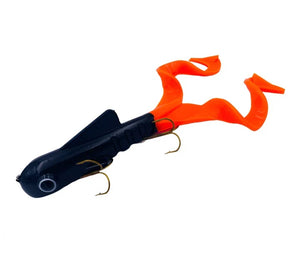
Musky Innovations Regular Double Dawg
Regular price $36.99 CADRegular price -
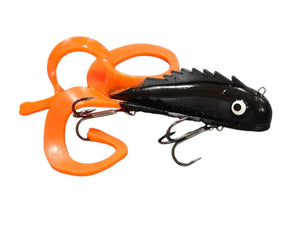
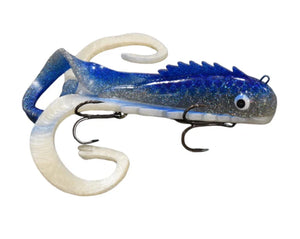 Vendor:Chaos Tackle
Chaos Tackle Monster Medussa
Regular price $59.99 CADRegular price -
Sold out

 Vendor:Toddy Tickle Baits
Toddy Tickle Baits 11" Warhammer - Shallow
Regular price $74.99 CADRegular price -

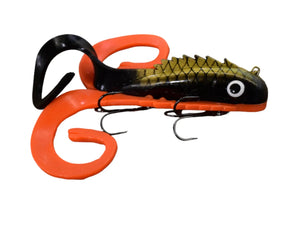 Vendor:Chaos Tackle
Chaos Tackle Medussa Husky
Regular price $54.99 CADRegular price -
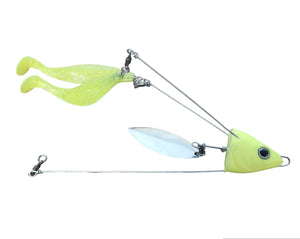
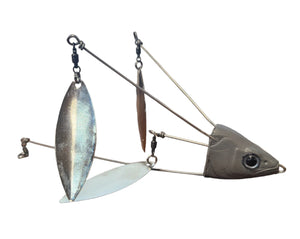 Vendor:Chaos Tackle
Chaos Tackle Willen's Hat Trick
Regular price $64.99 CADRegular price -

 Vendor:Chaos Tackle
Chaos Tackle Posseidon 8
Regular price $34.99 CADRegular price -
Sold out
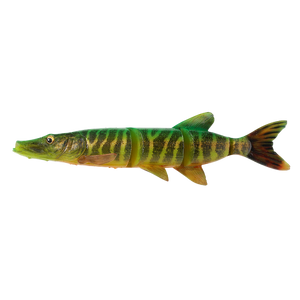
 Vendor:Savage Gear
Savage Gear 4D Line Thru Pike - 10"
Regular price $41.99 CADRegular price -

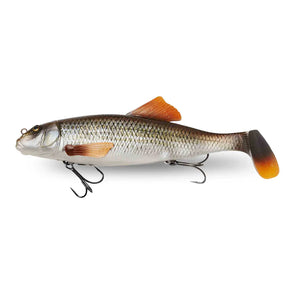 Vendor:Savage Gear
Savage Gear 3D Sucker 12"
Regular price $44.99 CADRegular price -
Sold out
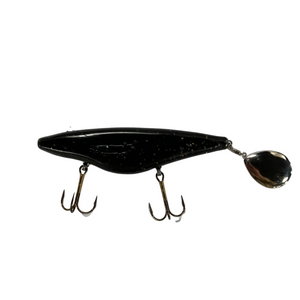


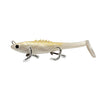















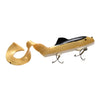
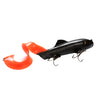
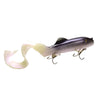
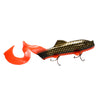
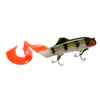


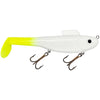
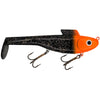
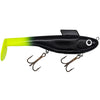












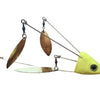
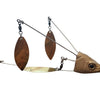
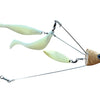


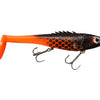
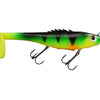
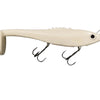
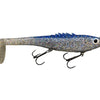
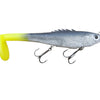




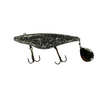

Why Musky Anglers Trust Soft Plastics
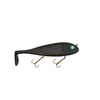
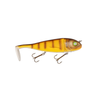
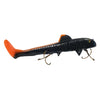
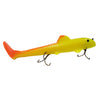
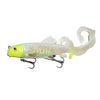
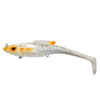
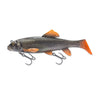
If there's one lure category that consistently produces big fish, it's soft plastics. Their ability to imitate large forage while creating a natural swimming action makes them a favourite among musky anglers, from active summer fish to late-season giants.
Unlike many hard baits that rely on built-in action, soft plastics put you in control of the presentation. You can burn them high in the water column, count them down to a specific depth, work them through weed edges, or crawl them along deeper structure. That versatility makes them effective across a wide range of conditions and fisheries.
Soft plastics become especially important when muskies are feeding on larger prey. Their oversized profile offers an easy target and often appeals to fish looking to get a full meal in a single strike.
Choosing The Right Musky Soft Plastic
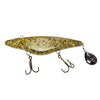
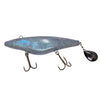
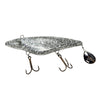
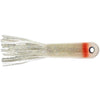
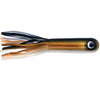
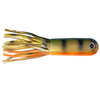
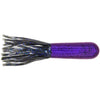
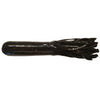
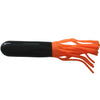
We stock soft plastics from the names that built this category, including Musky Innovations and Chaos Tackle, alongside Red October, Bondy Bait, Savage Gear, and Suick. Here's how the main styles break down.
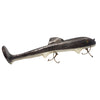
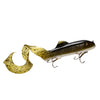
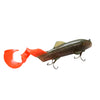
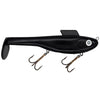
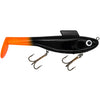
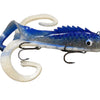
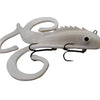
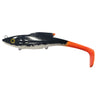
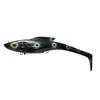
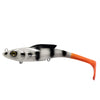
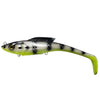
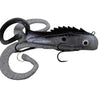
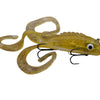
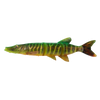
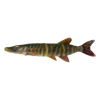
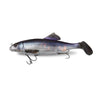
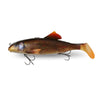
- Paddle Tail and Sucker Swimbaits: Paddle tails produce a steady, thumping action that mimics a fleeing baitfish, which makes them ideal for covering water and locating active fish. Fish them on a straight retrieve at the depth the fish are holding, burning them over the tops of weeds or slow-rolling them deeper when the bite is tough. Sucker-profile swimbaits are a strong fall choice, since muskies key heavily on suckers heading into the cold-water season.
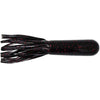
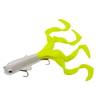
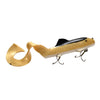
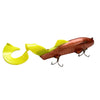
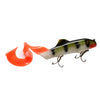
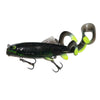
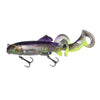
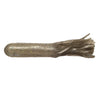
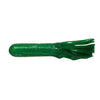
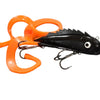
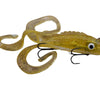
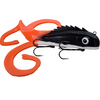
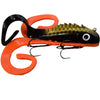
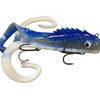
- Curly Tail Soft Plastics: Curly tails throw off heavy vibration and water displacement, helping muskies find the bait in stained water or low light. They work on both fast and slow retrieves, which makes them forgiving in changing conditions.
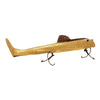
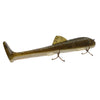
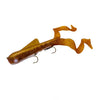
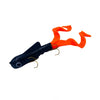
- Oversized Rubber Baits: Big rubber is the backbone of trophy musky fishing. The substantial profile presents a meal worth chasing and tends to draw bigger fish, and you can fish it as a glide, a jig, or a steady swimmer depending on the cadence.
- Deep Water Plastics: Some plastics are built specifically for fishing deeper breaklines, humps, and open-water forage, and they shine when muskies pull off shallow cover and relate to deeper structure.
Whether you're building your first musky tackle box or adding to an established collection, carrying a range of soft plastics keeps you ready for changing conditions and feeding patterns through the season.
Complete Your Musky Setup
Soft plastics run heavy, so the gear behind them matters. Pair yours with a heavy-power musky rod, a strong musky reel, heavy braid, and a quality musky leader. Rounding out the box? Browse our musky hard baits and the full musky lures selection.